Efficient cooling standards could curb Southeast Asia emissions
Air-conditioning use is expected to rise sharply, adding pressure to electricity systems and emissions.
Friday 6 November · 06:02 · 1 min read
In 30 seconds
What happened
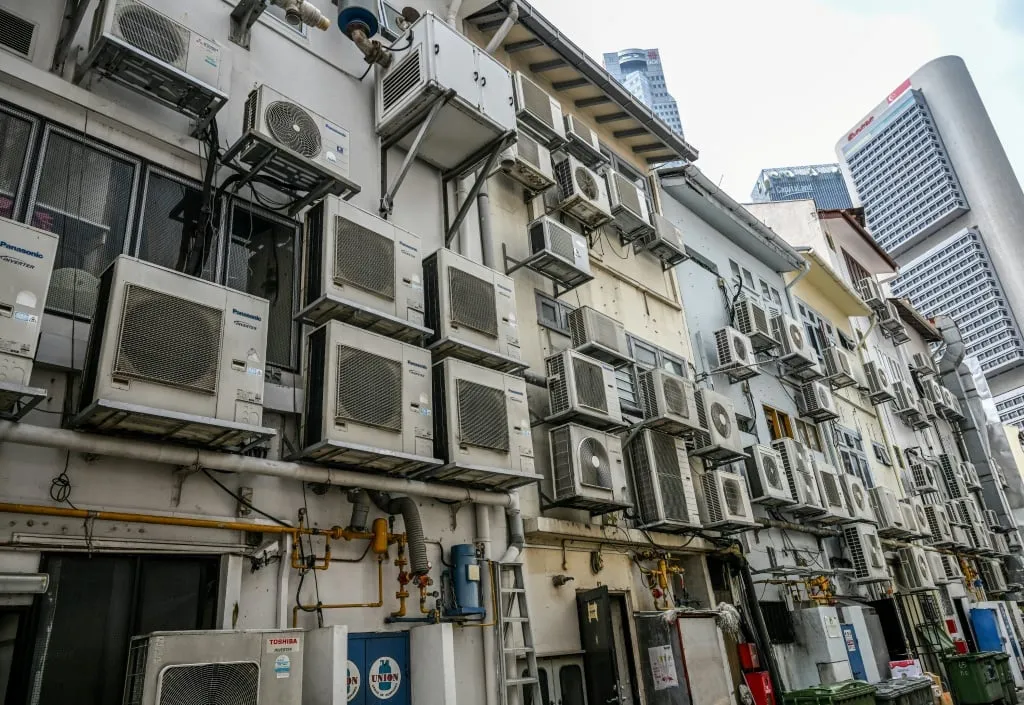
A DNV analysis says Southeast Asia’s growing use of air conditioning will raise electricity demand and initially increase cooling-related emissions, even as electricity supplies become cleaner. It projects regional cooling demand will quadruple over the next 15 years, while global cooling demand will account for 13 percent of electricity use by 2035. The analysis says stronger standards for cooling equipment and wider access to energy-efficient cooling could help limit emissions.
Why it matters
Higher cooling demand could increase electricity use and emissions in the region. More efficient air conditioning could help limit that increase, though the report gives no Cambodia-specific estimate.
Background
DNV published the analysis ahead of the 31st UN Climate Change Conference, COP31. It says rising incomes, larger floor space and higher temperatures are driving growth in cooling demand, and expects electricity demand for cooling in Southeast Asia to rise fourfold over the next 15 years.
Key terms
- Emissions
- Gases released into the air, including those that contribute to climate change.
- Decarbonizing electricity
- Producing electricity with fewer emissions, for example by using cleaner energy sources.
Sources (1)
[1] Cambodianess Cooling Demand Challenges Southeast Asian Emissions 5 Nov Read originalWas this explainer clear?
AI can make mistakes. Error reports go straight to our editors.